
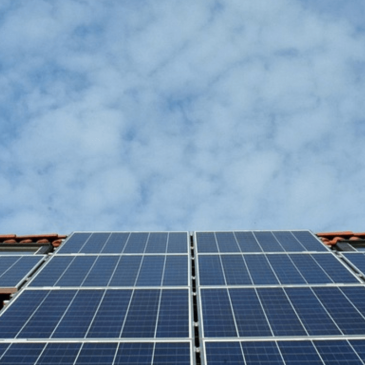
Summer and Solar Battery Storage: It’s Just Great Timing
If you have been considering solar panels for your home, there is a good chance you have heard about pairing them with a home battery. Late summer is the moment when that combination makes the most intuitive sense, and when the financial case for doing both at once is clearest.
Here is what you need to know before the season changes.
What Happens to the Grid in Late Summer
July and August push the electrical grid harder than any other time of year. Air conditioning demand peaks, utility companies strain to meet load, and the result is the combination of conditions that produces both the highest electricity bills and the highest likelihood of outages. Homeowners who have watched their bills climb through the summer and experienced even a brief power interruption during a heat wave understand the vulnerability that comes with full dependence on the grid.
A solar panel system addresses the bill side of that equation. A solar system paired with a battery addresses both.
What a Home Battery Actually Does
A home battery stores the excess electricity your solar panels generate during the day rather than sending it back to the grid. That stored energy is available to power your home at night, during cloudy days, or during a grid outage without drawing from the utility at all.
For homeowners in markets where net metering policies have been reduced or eliminated, a battery is increasingly the smarter financial choice over sending excess production back to the grid at reduced rates. Rather than selling your solar energy back to the utility at a discount and buying it back at full price after dark, a battery lets you use what your panels generate at whatever time you actually need it.
According to the U.S. Department of Energy’s Office of Electricity, residential battery storage is one of the fastest-growing segments of the clean energy market, with homeowner adoption accelerating significantly as panel costs have come down and battery technology has improved.
Is Your Home a Good Candidate?
Not every home is equally suited for battery storage, and the decision depends on a few practical factors. Homes in markets with time-of-use utility rates, where electricity costs more during peak evening hours, see the strongest financial return from a battery because they can draw stored solar energy precisely when grid electricity is most expensive. Homes in areas with aging grid infrastructure or frequent outage risk have an additional resilience argument for battery investment beyond the pure financial calculation.
If you have not yet gotten a solar quote that includes battery options, the comparison is worth having. Our guide on how to choose the right solar installer covers what to look for in a company before signing any contract, including whether they have meaningful battery installation experience alongside their panel work.
The Late Summer Window Is Worth Acting On
Installation timelines for solar plus battery systems run eight to fourteen weeks from contract to activation. A homeowner who moves forward in late July or early August can realistically have a fully operational system before winter, capturing the 2026 federal tax credit with comfortable margin and eliminating grid dependence before next summer’s bills arrive.
The homeowners who act in late summer skip the spring rush entirely and arrive at next peak season with a system that has already been running for months. For homeowners still weighing the timing question, our post on whether to go solar now or wait until fall walks through the full decision framework.
Late summer has a way of making the case for energy independence better than any brochure ever could. The grid is strained, the bills are high, and the solution is sitting on rooftops all over your neighborhood.